
Article reviewed by:
Dr Tan Kian Meng• Prosthodontist
Dental emergencies can happen unexpectedly — during meals, sports, travel, or even late at night. Severe toothaches, swelling, broken teeth and knocked-out teeth often require urgent dental care to relieve pain and prevent complications.
In Singapore, emergency dental treatment may help save a tooth, manage infection, and prevent more serious problems if treated early.
At Specialist Dental Group, our dental specialists in Singapore provide emergency dental care for severe toothaches, dental trauma, broken teeth, infections, and other urgent dental conditions.
Table of Contents
Dental Emergency Singapore: Quick Answers
You should see an emergency dentist immediately if you have:
- Severe tooth pain
- Facial swelling
- A knocked-out tooth
- Bleeding that does not stop
- A broken or dislodged tooth
- Difficulty swallowing due to infection
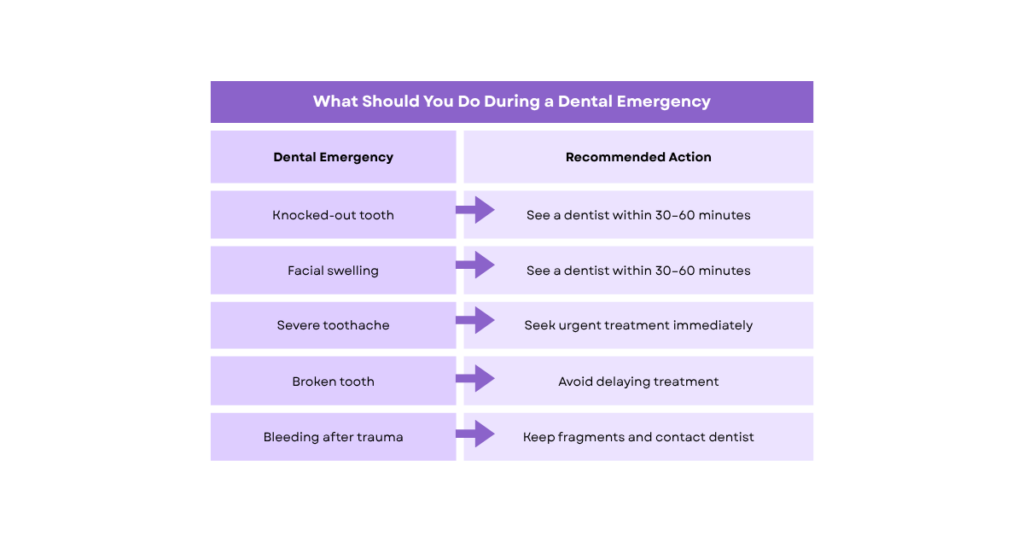
A knocked-out tooth should ideally be treated within 30 to 60 minutes for the best chance of saving the tooth.
What Is Considered a Dental Emergency?
A dental emergency is any dental problem that requires immediate attention to stop bleeding, relieve severe pain, treat infection, or save a tooth.
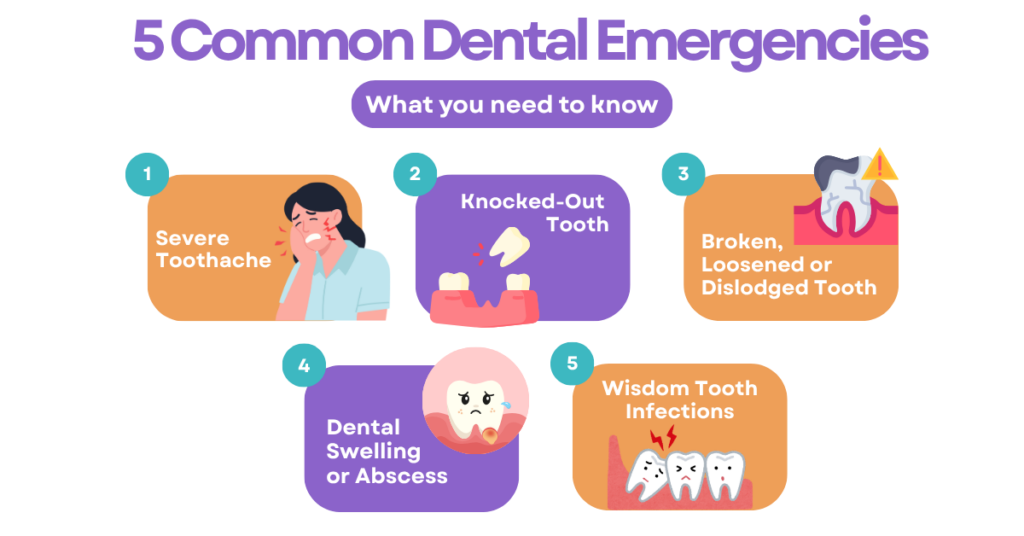
Common dental emergencies include:
- Severe or persistent toothache
- Knocked-out tooth (avulsed tooth)
- Broken, loosened, or dislodged teeth
- Swelling or dental abscess
- Wisdom tooth infections with swelling or difficulty swallowing
- Severe cuts to the gums, lips or cheek
- Uncontrolled bleeding (from the gums)
- Facial swelling or trauma to the mouth and jaw
- Lost crowns, fillings, or dental restorations causing pain
If you experience any of the above symptoms, contact your dental team promptly for assistance.
5 Common Dental Emergencies
1. Severe Toothache
A severe toothache can interfere with eating, sleeping, and daily activities. Persistent dental pain should not be ignored, as it may indicate an underlying infection or damage to the tooth. Common causes include:
- Tooth decay or cavities
- Gum infection
- Dental abscess
- Cracked tooth
- Wisdom tooth infection
- Teeth grinding or trauma
What Should You Do To Relieve Toothache
- Rinse your mouth gently with warm salt water.
- Gently remove any trapped food using dental floss.
- Apply a cold compress to the outside of the cheek if swelling is present.
- Take over-the-counter pain relief medication (e.g. paracetamol, ibuprofen) if suitable for you and according to the label instructions.
2. Knocked-Out Tooth
A knocked-out permanent tooth is a time-sensitive dental emergency. Quick action can significantly increase the chances of saving the tooth.
This commonly happens during:
- Contact sports
- Falls and accidents
- Cycling or skating injuries
- Trauma to the face
What Should You Do To Save a Knocked-out Tooth?
- Pick up the tooth by the crown (top part) only. Avoid touching the root.
- If dirty, rinse the tooth gently with clean water for a few seconds.
- Do not scrub, wipe, or use soap on the tooth.
- If possible, gently place the tooth back into the socket.
- If reinsertion is not possible, store the tooth in cold milk or saline solution.
You should see a dentist immediately, ideally within 30 to 60 minutes, as this gives the best chance of successfully saving the tooth.
For children, it is important to determine whether the knocked-out tooth is a baby tooth or a permanent tooth before attempting reinsertion.
3. Broken, Loosened or Dislodged Tooth
A broken or dislodged tooth may expose the inner nerves and cause pain or sensitivity
What you can do:
- Rinse your mouth with warm water
- Apply a cold compress for swelling
- Avoid chewing on the affected side
- Save any broken tooth fragments if possible
Even small cracks should be assessed early as untreated fractures can worsen over time and become more difficult to restore.
4. Dental Swelling or Abscess
A dental abscess is a serious infection that can spread to the jawbone and neighbouring teeth if left untreated.
Signs and symptoms may include:
- Swelling of the gums or face
- Pus discharge
- Fever
- Throbbing pain
- Bad taste in the mouth
- Difficulty opening the mouth
Do not ignore dental swelling. Seek urgent dental treatment at your dental clinic promptly.
5. Wisdom Tooth Infections
Wisdom tooth infections can occur when food and bacteria become trapped around a partially erupted wisdom tooth, causing inflammation and infection of the surrounding gums. Depending on the seriousness, you may require a wisdom tooth extraction surgery.
Common symptoms include:
- Swelling around the gums or jaw
- Pain when chewing or opening the mouth
- Bad taste or bad breath
- Difficulty swallowing
What you can do:
- Rinse gently with warm salt water
- Avoid chewing on the affected side
- Apply a cold compress to reduce swelling
- Take over-the-counter pain relief medication (e.g. paracetamol, ibuprofen) if suitable for you and according to the label instructions
When Should You Visit an Emergency Dentist?
You should seek urgent dental care if you experience:
- Severe or worsening pain
- Facial swelling
- Fever with tooth pain
- Bleeding that does not stop
- Difficulty swallowing
- Trauma to the mouth or jaw
- A knocked-out or loose permanent tooth
Early treatment can help relieve pain, prevent complications, and improve the chances of saving the affected tooth.
Dental Emergency: What You Should Do
How to Prevent Dental Emergencies
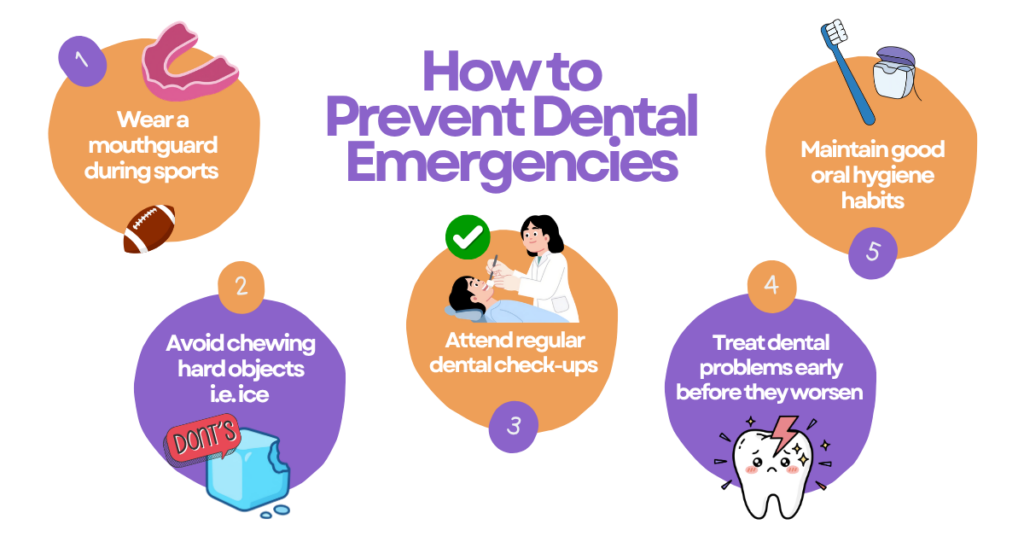
While accidents cannot always be avoided, these measures may help reduce the risk of dental emergencies:
- Wear a mouthguard during sports
- Avoid chewing hard objects such as ice or hard sweets
- Attend regular dental check-ups (at least once every 6 months)
- Treat dental problems early before they worsen
- Maintain good oral hygiene habits
Emergency Dental Care in Singapore
If you are experiencing a dental emergency in Singapore, contact a dentist as soon as possible for advice and treatment. Early treatment can relieve pain, prevent complications, and improve the chances of saving your tooth.
If the condition is severe or occurs after clinic hours, you may also seek assistance from the Accident & Emergency (A&E) department at a nearby hospital.
Frequently Asked Questions
It is not advisable to delay treatment if you have persistent dental pain. Some dental conditions, such as infections or cracked teeth, may worsen quickly and become more complicated to treat.
Handle the tooth carefully by the crown, avoid touching the root, and seek urgent dental treatment immediately. A knocked-out tooth has the best chance of survival if treated within 30 to 60 minutes.
Yes. Dental infections may spread to surrounding tissues and, if left untreated, lead to more serious health complications.
A basic dental emergency kit may include:
– Sterile gauze
– A small container with lid
– Saline solution
– Cold pack
– Pain relief medication
Yes. Teeth grinding (bruxism) and jaw clenching may lead to cracked teeth, jaw pain, headaches, or damaged dental restorations over time. Wearing a night guard may help protect your teeth.
Before travelling:
– Schedule routine dental check-ups
– Pack essential dental items
– Avoid using teeth to open packaging
– Wear a mouthguard for sports activities
– Keep emergency dental contact numbers accessible
Planning ahead can help reduce the risk of unexpected dental problems during your trip.
Experiencing a dental emergency? Our dental specialists can provide prompt treatment to prevent further complications and improve the chances of saving your tooth.
Drop us a text via the WhatsApp icon on the bottom right corner, enquire or call us at (65) 6733 7883.
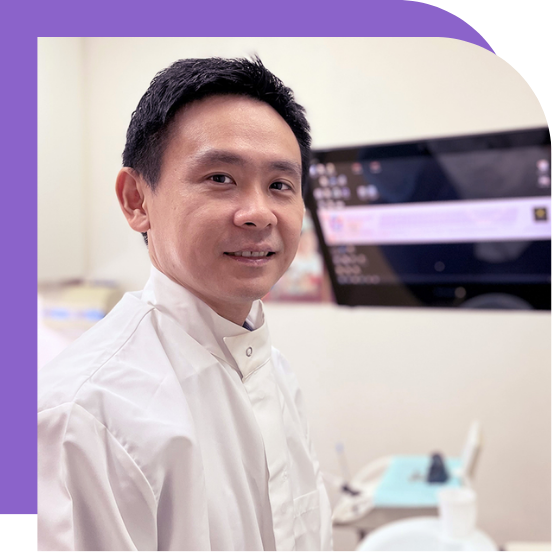
Reviewed by Dr Tan Kian Meng
Dr Tan Kian Meng is a Dental Specialist in Prosthodontics with Specialist Dental Group®. He is also a Clinical Lecturer at the National University of Singapore and Diplomate with the American Board of Prosthodontics. He was formerly a Consultant at Singapore’s Khoo Teck Puat Hospital and Fellow of Maxillofacial Prosthetics and Oncologic Dentistry Fellowship at the University of Texas MD Anderson Cancer Center. Dr Tan has special interest in prosthetic and implant restorative dentistry.
Disclaimer
This article has been medically reviewed by a specialist from Specialist Dental Group and is intended for general educational and informational purposes only. It should not be taken as a substitute for personalised dental advice, diagnosis, or treatment. Patients should consult a qualified dentist or dental specialist before making decisions about any procedure or treatment plan. Treatment recommendations should always be based on the patient’s individual clinical condition, and results may vary.