
Article reviewed by:
Dr Ho Kok Sen • Oral & Maxillofacial Surgeon
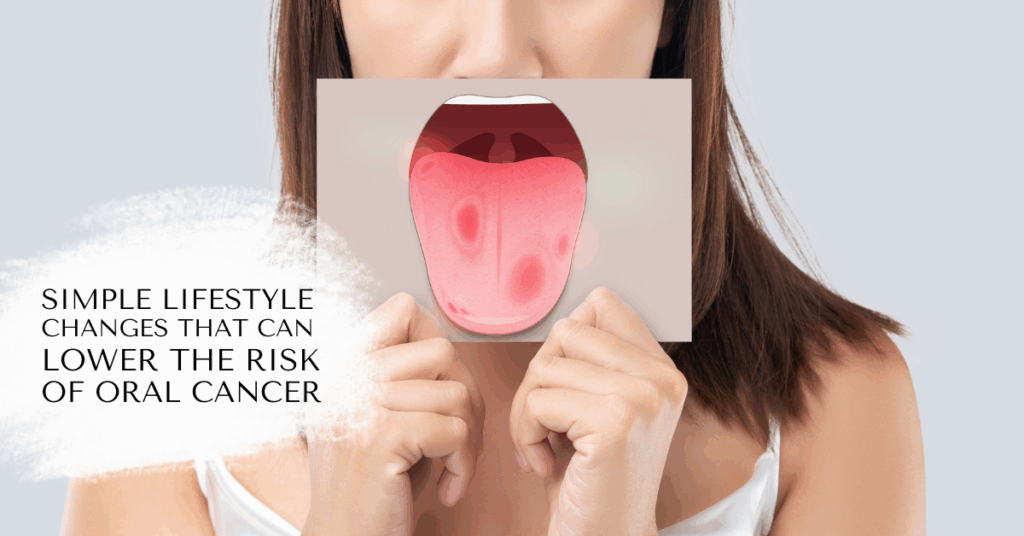
Oral cancer may not be as widely discussed as other types of cancer, but it is a serious condition that affects thousands of people every year. According to a study by Singapore’s National University Cancer Institute, about 250 new oral cancer cases and around 100 related deaths occur locally each year.
Oral cancer can develop in any part of the mouth, most often on the tongue or the floor of the mouth. It is grouped into four stages based on the size of the tumour, its location, and whether it has spread to nearby areas or other parts of the body.
The good news? Many of the risk factors are preventable. By making small, everyday changes, you can significantly reduce your risk of developing oral cancer while also enhancing your overall health.
Table of Contents
6 Lifestyle Changes To Lower Your Oral Cancer Risk
Below are some practical lifestyle adjustments that can make a lasting difference.
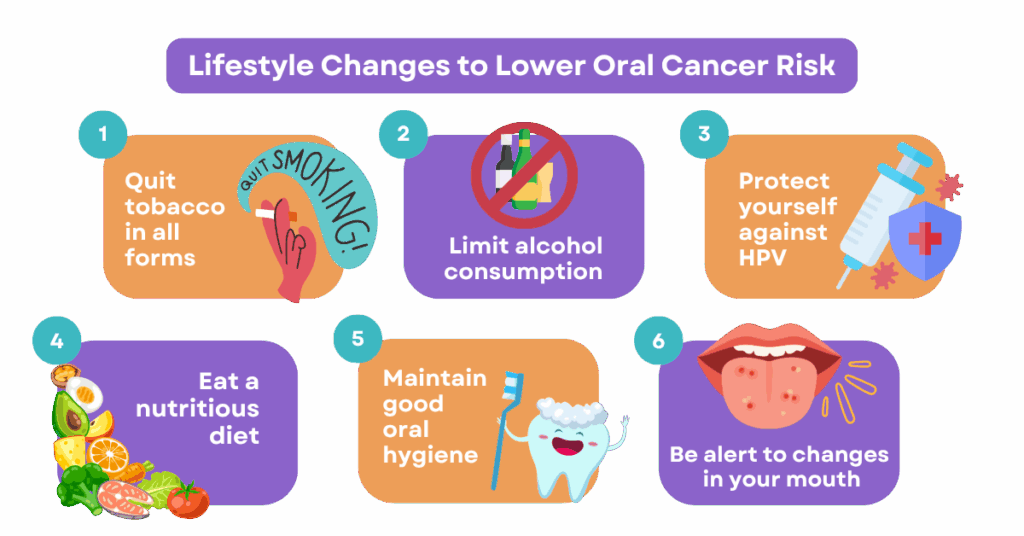
Tobacco is one of the leading causes of oral cancer and is among the top eight causes of cancer-related mortality worldwide. Whether it’s cigarettes, cigars, pipes, or chewing tobacco, the harmful chemicals in these products damage the cells in your mouth and throat over time.
What you can do:
- Seek help through quit programs, nicotine replacement therapies, or medical support.
- Every step toward cutting back helps, but quitting entirely offers the best protection.
Drinking heavily or frequently is another significant risk factor. Alcohol can irritate the lining of your mouth, making it more vulnerable to cancer-causing agents. When combined with smoking, the risk rises even more.
Healthier habits:
- Stick to moderate drinking – no more than one drink a day for women and two for men.
- Try switching alcohol with healthier alternatives like sparkling water, kombucha, or alcohol-free cocktails.
3. Protect Yourself Against HPV
Certain strains of the human papillomavirus (HPV), particularly HPV-16, have been linked to cancers in the mouth and throat.
How to reduce your risk:
- Getting an HPV vaccine is an effective way to reduce your risk.
- Practicing safe oral sex further lowers your chances of infection.
A diet rich in vitamins, minerals, and antioxidants strengthens your body’s ability to fight off diseases, including cancer.
Nutrition tips:
- Include a wide variety of colourful fruits, leafy greens, and whole grains.
- Limit processed foods, refined sugars, and high-fat meals that offer little nutritional value.
Daily healthy habits go a long way in protecting your mouth. Poor hygiene can lead to infections, irritation, or gum disease, which may increase the risk of cancer.
Oral care checklist:
- Brush your teeth twice daily with fluoride toothpaste.
- Floss at least once a day to remove plaque and food debris.
- Don’t forget to clean your tongue, where odour-causing bacteria often build up.
- Schedule dental check-ups for professional cleanings and screenings at least twice a year.
6. Be Alert to Changes in Your Mouth
Early detection is crucial for the successful treatment of oral cancer. Pay attention to signs such as:
- Sores or ulcers that do not heal after two weeks.
- Red or white patches inside the mouth.
- Unexplained lumps, swelling, or persistent pain.
If you experience any of these symptoms, consult a dental specialist or doctor immediately.
Discover how taking care of your mouth can also benefit your overall well-being. Read more in our blog post.
Final Thoughts
While you can’t control every factor — such as age or genetics — you can make meaningful choices to protect your health. By taking the above steps, you’re giving yourself the best chance at a healthier, cancer-free future.
Small changes in your daily routine can add up to significant results. Protect your health and schedule regular dental visits for peace of mind and early detection.
Frequently Asked Questions
Yes, although oral cancer is more common in older adults, younger individuals can develop it — especially if linked to HPV infection. Awareness and early detection remain important across all age groups.
Research on vaping is still evolving, but some studies suggest that e-cigarette vapour may contain harmful substances that can irritate oral tissues. While it may be less harmful than traditional smoking, it is not risk-free and may still contribute to long-term oral health issues.
Oral cancer may not always be painful in its early stages. Some people may only notice subtle changes, such as patches or lumps. Pain often develops later as the condition progresses, which is why regular check-ups are important.
It’s never too late to prioritise your oral health. Schedule a dental check-up today!
Drop us a text via the WhatsApp icon on the bottom right corner, enquire or call us at (65) 6733 7883.

Reviewed by Dr Ho Kok Sen
Dr Ho Kok Sen is an Oral & Maxillofacial Surgeon with Specialist Dental Group®. Dr Ho is a mentor, lecturer and examiner to students in the Graduate Diploma in Dental Implantology course at the National University of Singapore. Dr Ho is a fellow of the Royal Australasian College of Dental Surgeons and the Academy of Medicine Singapore. He has a special interest in dental implants, jaw surgery, bone grafting and complex extractions.
Disclaimer
This article has been medically reviewed by a specialist from Specialist Dental Group and is intended for general educational and informational purposes only. It should not be taken as a substitute for personalised dental advice, diagnosis, or treatment. Patients should consult a qualified dentist or dental specialist before making decisions about any procedure or treatment plan. Treatment recommendations should always be based on the patient’s individual clinical condition, and results may vary.