
Article reviewed by:
Dr Tan Kian Meng • Prosthodontist
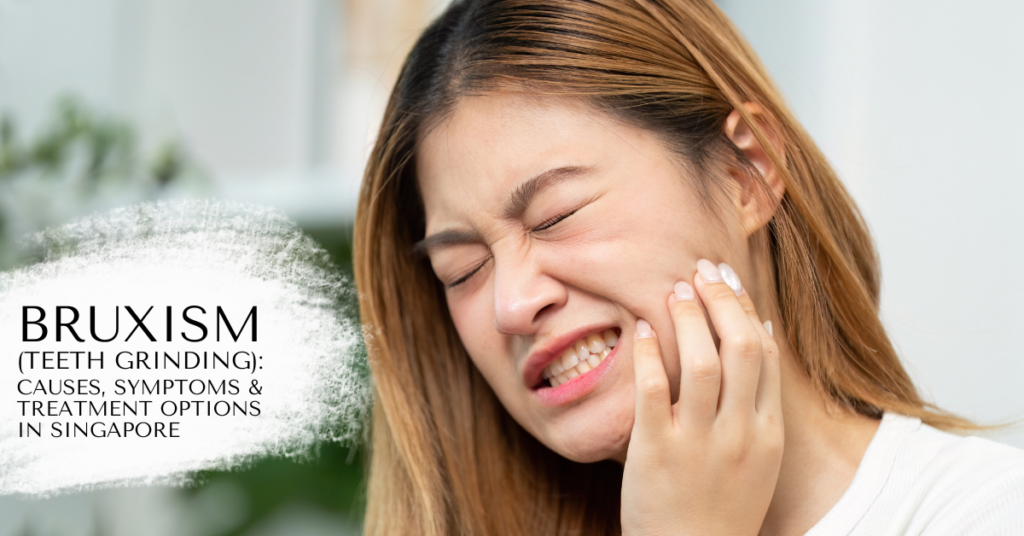
Bruxism, commonly known as teeth grinding or jaw clenching, is a condition frequently seen by dental specialists in Singapore. It affects both adults and children, and many people are unaware they have it until a dentist identifies signs of tooth wear or symptoms such as jaw pain, headaches, or disrupted sleep.
Left untreated, bruxism can lead to long-term damage to the teeth, jaw joints, and facial muscles. Understanding what bruxism is, why it happens, and how it can be treated is the first step toward protecting your oral health and overall well-being.
Table of Contents
- What is Bruxism?
- Signs and Symptoms of Bruxism
- Common Causes of Bruxism
- Bruxism in Children: Should Parents Be Concerned?
- Why is Bruxism Harmful if Left Untreated?
- Bruxism vs TMJ Disorder: What’s the Difference?
- Bruxism Treatment Options in Singapore
- Can Medisave Be Used for Bruxism Treatment?
- How Specialist Dental Group Treats Bruxism
- Frequently Asked Questions (FAQ)
What is Bruxism?
Bruxism is the involuntary grinding or clenching of teeth. It can occur:
- During the day (awake bruxism)
- During sleep (sleep bruxism), which happens unconsciously
Many individuals only discover sleep bruxism after being told by a partner who hears grinding sounds at night, or when a dentist notices flattened or damaged teeth during a routine examination.
Occasional teeth grinding may not cause harm. However, frequent or severe bruxism can place excessive pressure on the teeth, jaw muscles and temporomandibular joints (TMJ), leading to pain, dysfunction, and long-term dental complications.
Signs and Symptoms of Bruxism
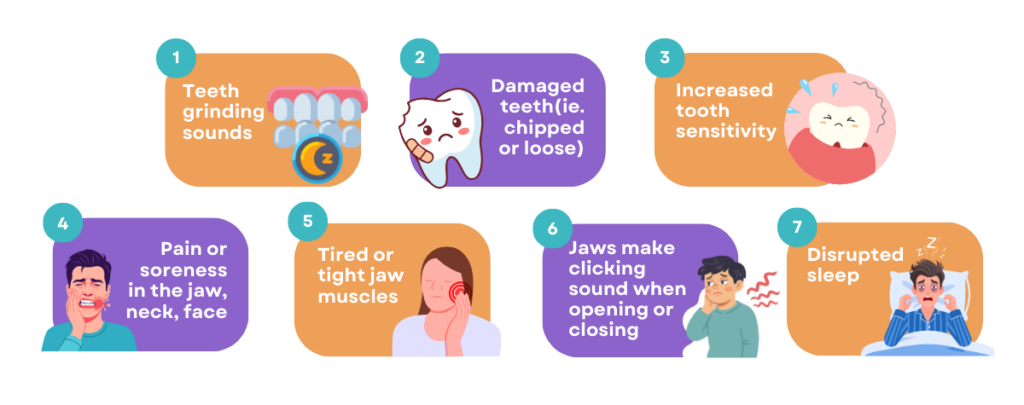
As bruxism often happens unconsciously, many people do not realise they have it until complications develop. You may wish to consult a dental specialist if you experience any of the following:
- Teeth grinding sounds, which may be loud enough to disturb the sleep of someone you are sharing the room with
- Damaged teeth (ie. flattened, fractured, chipped or loose)
- Increased tooth sensitivity
- Pain or soreness in the jaw, neck, face, ear or temples
- Tired or tight jaw muscles, or a locked jaw that has difficulty opening or closing completely
- Temporomandibular joints that make a popping or clicking sound when opening or closing
- Disrupted sleep
As these symptoms may overlap with other conditions, a professional dental evaluation is essential for an accurate diagnosis.
Common Causes of Bruxism
Bruxism usually develops due to a combination of physical, psychological, and lifestyle factors.
- Stress and Anxiety: Emotional stress is one of the most common contributors. People who are anxious, under pressure, or experiencing emotional tension may clench their teeth as a subconscious coping mechanism.
- Sleep Disorders: Sleep bruxism is often associated with sleep-related conditions such as snoring, sleep apnea, or disrupted sleep cycles.
- Bite or Alignment Issues: An uneven bite, missing teeth, or poorly fitted dental restorations may increase the likelihood of grinding or clenching.
- Lifestyle Factors: Caffeine, alcohol, smoking, and certain medications may increase muscle activity during sleep and raise the risk of bruxism.
- Neurological and Medical Conditions: In some cases, bruxism is linked to neurological conditions or medications that affect the central nervous system.
Bruxism in Children: Should Parents Be Concerned?
Research indicates that bruxism is relatively common in children. Common causes may include teething discomfort, allergies, emotional stress, or misaligned teeth.
As children’s teeth and jaws are still developing, most of them outgrow the habit by the time they transition into teens or adulthood. Hence, treatment is generally not required unless excessive dental wear, pain, or jaw issues are present.
Nonetheless, it helps to teach your child to be aware of their clenching habit (awake bruxism), so they can consciously reduce and stop it.
If you find that your child is bruxing, share this with your child’s dental specialist. Early monitoring helps rule out underlying causes and ensures healthy jaw development.
Why is Bruxism Harmful if Left Untreated?
Untreated bruxism can have serious long-term consequences, including:
- Severe and irreversible tooth wear, fractures, or tooth loss
- Damage to dental restorations
- Chronic jaw pain and facial muscle fatigue
- Temporomandibular joint (TMJ) disorders
- Changes in facial appearance due to enlarged jaw muscles
- Difficulty eating and sleeping, affecting quality of life
Bruxism has also been associated with other medical conditions such as night-time breathing problems, attention deficit hyperactivity disorder, mood disorders, and gastroesophageal reflux.
Bruxism vs TMJ Disorder: What’s the Difference?
It is easy to be confused between bruxism and temporomandibular joint (TMJ) disorder, as they are commonly associated and interrelated with one another. However, they are very different conditions.
- Bruxism refers to teeth grinding or clenching
- TMJ disorder is a condition involving inflammation or dysfunction of the jaw joints and surrounding muscles
TMJ disorder can cause jaw pain, headaches, dizziness, and discomfort when chewing. Bruxism can both cause and worsen TMJ disorder, and TMJ problems can also trigger bruxism.
If you experience symptoms of either condition, early assessment by a dental specialist is crucial to prevent further damage and reduce discomfort.
Bruxism Treatment Options in Singapore
Bruxism treatment depends on its underlying cause and severity. A dental specialist may recommend one or more of the following:
- Diet adjustments: Go on a soft diet and cut food into smaller pieces to reduce chewing.
- Lifestyle adjustments: Reduce intake of alcohol, caffeine and tobacco.
- Stress management: Go for activities that help you relax, such as deep breathing exercises and massages.
- Medications: Muscle relaxants, anti-inflammatory and/or anti-anxiety medications may be prescribed when necessary to improve night-time rest.
- Botox injections: Help relax the jaw muscles and provide tremendous relief from jaw soreness.
- Custom-made night guard (splint): Professionally fitted to protect your teeth during sleep and reduce muscle strain
Your dental specialist will recommend a personalised treatment plan after a thorough clinical assessment.
Can Medisave Be Used for Bruxism Treatment?
Medisave can only be used for approved surgical procedures. As bruxism treatment is non-surgical, Medisave cannot be used for its management.
How Specialist Dental Group Treats Bruxism
At Specialist Dental Group, our team of dental specialists in Mount Elizabeth Orchard and Gleneagles is experienced in diagnosing and managing bruxism and TMJ disorders. They fall under the speciality areas of Prosthodontics and Oral & Maxillofacial Surgery.
- Dr Tan Kian Meng, Prosthodontist
- Dr Steven Soo, Prosthodontist
- Dr Edwin Tan, Prosthodontist (Gleneagles)
- Dr Neo Tee Khin, Prosthodontist
- Dr Ansgar Cheng, Prosthodontist
- Dr Ho Kok Sen, Oral & Maxillofacial Surgeon
Frequently Asked Questions (FAQ)
Yes. If left untreated, bruxism can cause permanent tooth damage, jaw disorders, and chronic pain.
Mild cases may resolve, especially in children. However, persistent bruxism in adults usually requires professional management. See a dental specialist for early management to prevent further dental damage.
A custom-made night guard is one of the most effective ways to protect teeth and reduce muscle strain during sleep.
If symptoms are frequent or severe, a dental specialist can provide a more comprehensive assessment and tailored treatment.
If you’ve noticed signs of bruxism, our team is here to help. Schedule a consultation to learn how you can protect your oral health.
Drop us a text via the WhatsApp icon on the bottom right corner, enquire or call us at (65) 6733 7883.
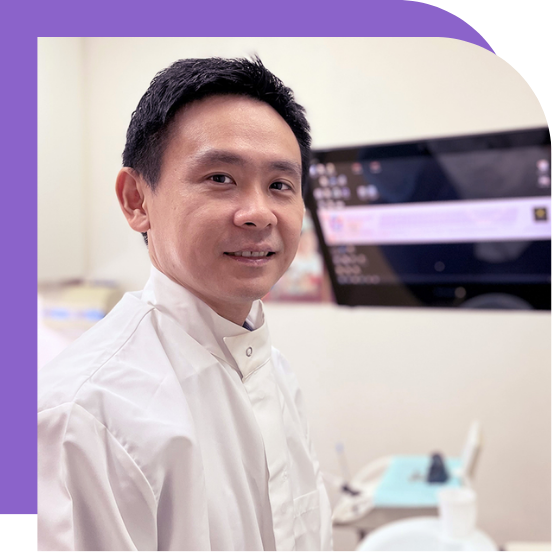
Dr Tan Kian Meng is a Dental Specialist in Prosthodontics with Specialist Dental Group®. He is also a Clinical Lecturer at the National University of Singapore and Diplomate with the American Board of Prosthodontics. He was formerly a Consultant at Singapore’s Khoo Teck Puat Hospital and Fellow of Maxillofacial Prosthetics and Oncologic Dentistry Fellowship at the University of Texas MD Anderson Cancer Center. Dr Tan has special interest in prosthetic and implant restorative dentistry.