
Quick Answer
Receded gum tissue does not return to its previous position on its own, but that does not mean it is a lost cause. Treatment depends on the cause, whether the recession is progressing, and whether the exposed root is contributing to sensitivity or further damage. Early cases can often be managed by addressing the cause and improving oral care. More advanced cases may need periodontal treatment or gum grafting to cover the exposed root and prevent further deterioration.
Receding gums expose part of the tooth root, which can lead to sensitivity and make the area more vulnerable to wear and decay. The gum margin does not normally return to its previous position on its own, but there are ways to improve the situation.
Treatment depends on the cause, whether the recession is progressing and whether the exposed root is contributing to sensitivity, decay or other problems. Some cases can be monitored after the cause is controlled; others may need periodontal treatment or gum grafting.
Table of Contents
Key Takeaways
- Gum recession means the gum margin surrounding the tooth has pulled away and exposed part of the root.
- Receded gum tissue does not usually return to its previous position without treatment.
- Periodontitis, forceful brushing, thin gum tissue and local trauma can contribute to recession.
- Treatment may focus on the cause, sensitivity, root protection or gum grafting.
- Not every exposed root can be treated with surgery. A periodontist can assess what treatment is required.
What Are Receding Gums?
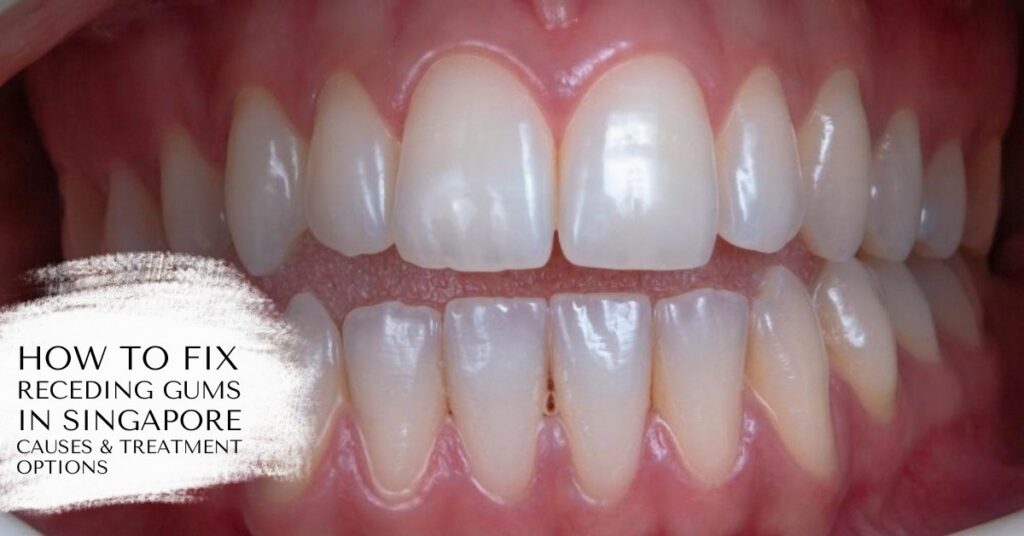
Gum recession, or gingival recession, happens when the edge of the gum wears away from the root surface, exposing more of the tooth. It can affect one tooth, several teeth or a wider area.
The visible crown of a tooth is protected by enamel. The root is not, so exposure can increase the chance of sensitivity, wear and root caries.
Recession can also occur with or without active gum disease. One person may have a recession related to thin gum tissue or brushing trauma, or teeth movement from orthodontic treatment, while another may have recession together with periodontitis. That distinction changes the treatment.
Healthy Gums vs Receding Gums
Healthy and receding gum tissue can be distinguished by several visible and physical differences.
| Healthy Gum Area | Area With Gum Recession |
| Root surface remains covered | Part of the root surface is visible |
| Gum margin follows its usual contour | Gum margin has moved down the root |
| No persistent inflammation | Inflammation may be present if gum disease is involved |
| Tooth length appears unchanged | Tooth may appear longer |
| No exposed-root sensitivity | Cold, touch or sweet foods may trigger sensitivity |
Signs of Gum Recession
Recession leads to a mix of visible and physical signs. Any of these is a reason to get your gums checked:
- Exposed roots that look darker than the rest of the tooth
- Teeth that appear longer or uneven
- An uneven gum line
- A notch or dip where the gum meets the tooth
- Bleeding when brushing or flossing
- Tenderness or pain at the gum margin
- Red or inflamed gum edges
- Persistent bad breath
- Teeth that feel loose or have started to shift
Why Exposed Roots Are a Problem
Root surfaces are more susceptible to decay and wear than the enamel-covered crown, and exposed dentine can cause sharp sensitivity. Recession can also make plaque control more difficult around an uneven gum line.
Gum recession itself does not automatically cause tooth loss. If it is linked to periodontitis, however, periodontal disease can lead to bone destruction and loss of attachment supporting the tooth. Hence eventually causing mobility and loss of the tooth.
What Happens If Recession Is Left Untreated?
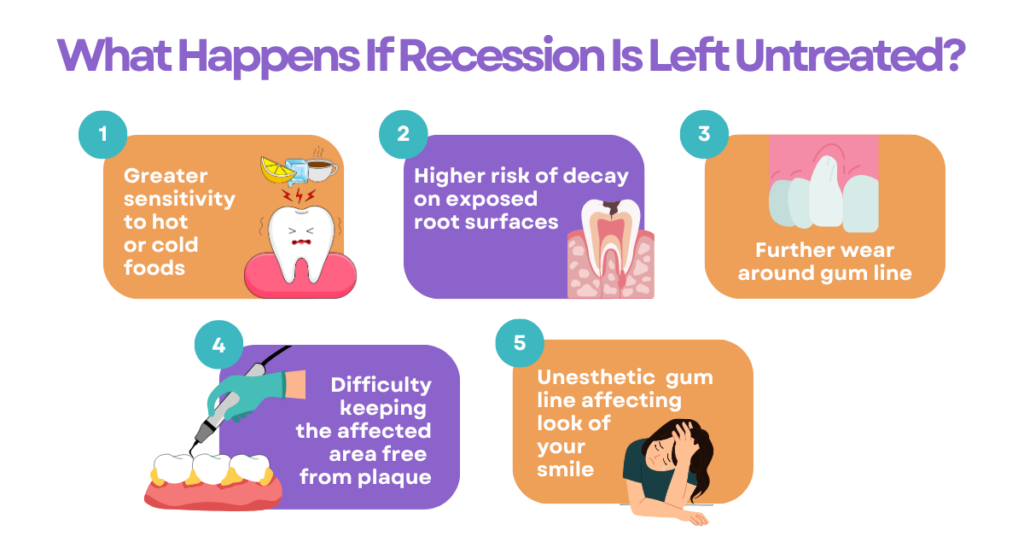
If the recession continues, a larger part of the root can become exposed. This may lead to:
- Greater sensitivity to hot, cold or sweet foods
- A higher risk of decay on the exposed root surface
- Further wear around the gum line
- More difficulty keeping the affected area free from plaque
- Unesthetic appearance of the gum line affecting the look of your smile
If periodontitis is also present, continued loss of the tissues and bone supporting the teeth can eventually lead to tooth mobility and tooth loss.
Why Do Gums Recede?
Several factors can contribute:
- Periodontitis: Loss of the tissues supporting the teeth can be accompanied by recession.
- Forceful brushing: Repeated hard scrubbing can traumatise the gum margin.
- Thin gum tissue: A thin gingival phenotype is more susceptible to recession.
- Tooth position: Teeth positioned towards the outer edge of the supporting bone can have less tissue covering them.
- Orthodontic movement: In susceptible sites, movement outside the tooth’s bony housing may increase recession risk.
- Local irritation: Oral piercings and some restorative factors can repeatedly irritate the gum.
- Plaque accumulation: Ongoing inflammation can contribute to periodontal disease and tissue breakdown.
Smoking and diabetes are significant risk modifiers and risk factors for periodontal disease, hence they significantly contribute to periodontitis.
Teeth grinding (bruxism) is also often blamed online. Current periodontal consensus does not support bruxism as a direct cause of gingival recession, but it can be an accelerator and compounding factor for gum recession.
How Common Is Gum Disease in Singapore?
There is no recent nationally representative figure specifically for gum recession. Singapore’s 2019 National Adult Oral Health Survey found that 77.6% of participants had periodontal disease, while 56.9% had moderate to severe chronic periodontitis. Moderate-to-severe disease became more common with age.
Those figures refer to periodontal disease, not gum recession. They do, however, show why you should not ignore gum disease and its treatment. You should also look out for gum line changes in the context of overall gum health.
How Dentists Assess the Extent of Gum Recession
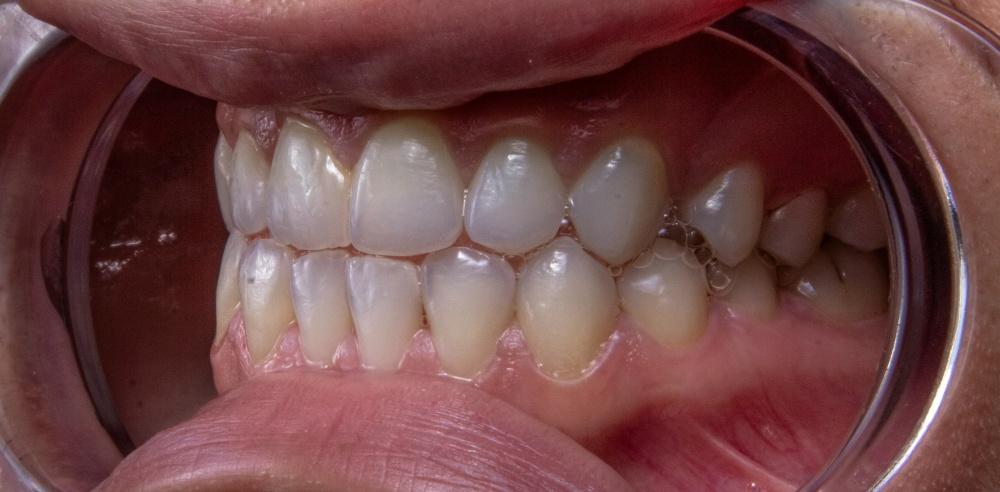
Gum recession is primarily classified using two major clinical classifications which determine the extent of damage and predict how successfully the root can be covered by gum grafting procedures.. Periodontists use clinical measurements and recognised classifications such as the contemporary Cairo classification.
The Cairo classification (2011) describes three recession types:
- RT1: No attachment loss between the teeth.
- RT2: Interproximal attachment loss is present but does not exceed the loss on the outer surface.
- RT3: Interproximal attachment loss is greater than the loss on the outer surface.
The dentist also records how far the gum has receded, tissue thickness, the condition of the exposed root, sensitivity, tooth position and whether bone loss is present. These findings are more useful for treatment planning than a generic stage label.
How Is Gum Recession Diagnosed?
A dental examination may include:
- Gum-line measurements: Measuring the distance between the normal enamel-root junction and the current gum margin.
- Periodontal probing: Checking pocket depth and attachment around the tooth.
- Inflammation: Checking for bleeding, redness and swelling.
- Root examination: Looking for wear, decay and sensitivity.
- Tooth mobility and position: Assessing the tooth and its supporting tissues.
- Smile line symmetry: assessing if there’s a discrepancy in gum line in relation to the smile.
- Dental X-rays: Checking for bone loss when periodontal disease is suspected.
- Previous records: Comparing earlier measurements or images to see whether the recession has progressed.
How Can Receding Gums Be Treated?
Treatment depends on what is causing the recession, how much root surface is exposed and whether there is active gum disease. Some treatments address the receded gum itself, while others manage related problems such as periodontitis, sensitivity or damage to the exposed root.
Surgical Treatments for More Extensive Gum Recession
Surgical treatment may be recommended when an exposed root needs additional tissue coverage or when the gum around a tooth is too thin. The underlying cause should be identified and managed first, as ongoing brushing trauma, inflammation, or other contributing factors can affect treatment outcomes. This is also why gum grafting for gum recession is assessed according to the location, extent and cause of the recession.
1. Gum Graft Surgery
Gum grafting adds tissue to an area where the gum has receded. Depending on the technique, the dentist may take tissue from the roof of the patient’s mouth or use another graft material. The dentist then places it in the affected area to increase gum thickness and, where possible, cover some or all of the exposed root.
Non-Surgical and Supportive Treatments
For early to moderate recession, or alongside treatment for gum disease, several less invasive options may be used:
2. Scaling and Root Planing
If periodontitis is contributing to the problem, scaling and root planing may be recommended. This deep-cleaning procedure removes plaque and calculus from tooth surfaces beneath the gum line and cleans the root surfaces so the surrounding periodontal tissues can heal.
3. Composite Bonding
The dentist applies tooth-coloured resin over an exposed root with abrasion to cover it. This can reduce sensitivity and improve the tooth’s appearance, with minimal preparation.
4. Locally Delivered Antibiotics
Antibiotic gels can be placed directly into the periodontal pockets to reduce the bacteria at the site of infection, usually alongside a deep clean, to treat and arrest periodontal disease and its progression.
5. Prescribed Products
Other prescribed aids include antimicrobial mouth rinses to lower daily bacteria levels, antiseptic chips placed into deep pockets after cleaning, and agents that slow the breakdown of gum tissue.
How Do You Prevent Further Gum Recession?
Because lost gum tissue will not return on its own, the priority is to stop recession from progressing. It is important to reduce plaque-induced inflammation and avoid aggressive toothbrushing. Daily care should remove plaque without repeatedly traumatising the gum margin.
- Brush with light pressure: Use a soft-bristled toothbrush and small circular movements.
- Clean between your teeth: Use floss or another interdental cleaning aids recommended for you.
- Use fluoride toothpaste: This helps protect exposed root surfaces from decay. Ask your dentist about desensitising toothpaste if sensitivity is a problem.
- Have bleeding or swelling checked: These can indicate gum inflammation or periodontal disease.
- Stop harmful habits: Avoid picking at the gum line, or biting on pens and other hard objects.
- Reduce local trauma: Address piercings or habits that repeatedly rub against the gum.
- Attend periodontal reviews as advised: The frequency will depend on the condition of your gums.
A changed gum line does not automatically mean you need a graft. If the change is slight and the area is stable after you control the cause, monitoring may be appropriate. Treatment may be advised when recession is progressing, the root is being damaged, or sensitivity is affecting daily life.
Receding Gum Assessment at Specialist Dental Group
At Specialist Dental Group, our periodontists assess the gum health, gum margin, supporting tissues, exposed root surface and factors that may be contributing to the recession. Depending on the findings, management may involve changes to oral care, periodontal treatment, sensitivity management or gum grafting.
We provide comprehensive gum treatment including scaling and root planning, periodontal surgery and gum grafting.
If you have noticed a change in your gum line, increasing sensitivity or an exposed root, arrange an assessment to find out what is causing it and whether treatment is needed.
This article is intended for general informational purposes only and does not constitute dental advice, diagnosis, or treatment. Please consult a qualified dental specialist for advice specific to your clinical condition.


