Article reviewed by:
Dr Tan Kian Meng• Prosthodontist
Quick Answers
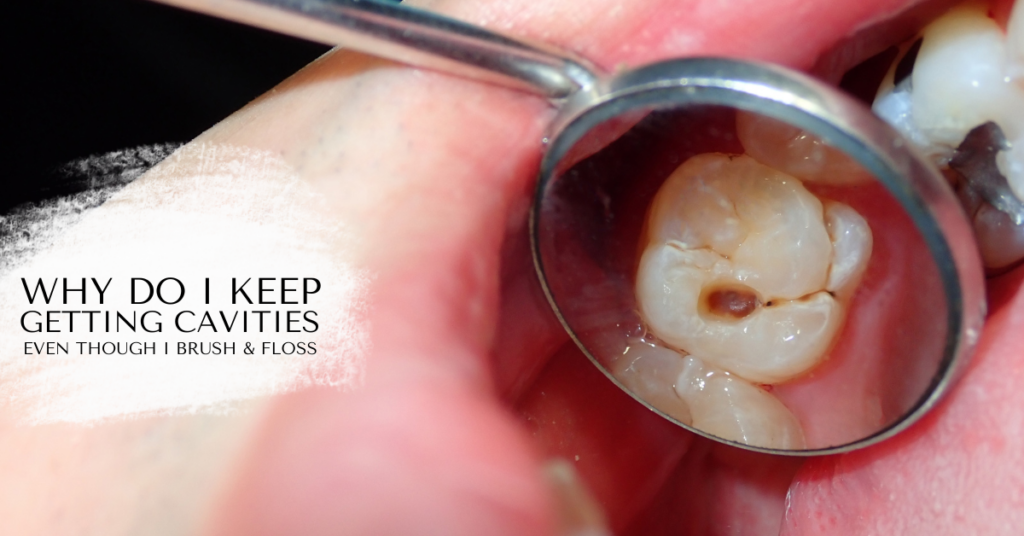
If you brush and floss regularly but still develop cavities, it is often because oral hygiene is only one part of preventing tooth decay. Frequent snacking, sugary foods and drinks, dry mouth, ineffective brushing technique, plaque build-up in hard-to-reach areas, and individual risk factors can all contribute to cavities.
A dental examination can help identify the underlying cause and recommend personalised ways to reduce your risk.
You brush twice a day, floss every evening, and still end up needing another filling. If that sounds familiar, you are not alone.
While good oral hygiene is one of the best ways to protect your teeth, it isn’t the only factor that affects whether cavities develop. Your diet, how often you snack, your saliva, the shape of your teeth and even certain medications can all play a part and contribute to tooth decay.
Tooth decay remains a common oral health problem in Singapore, with the 2019 National Adult Oral Health Survey reporting that 34.8% of adults had untreated dental cavities.
Understanding what’s driving your risk is the first step towards preventing future decay.v
Key Takeaways
- Brushing and flossing alone may not prevent cavities.
- Diet and how often you eat can have a significant impact on tooth decay.
- Dry mouth increases the risk of cavities because saliva helps protect teeth.
- Regular dental check-ups can detect early signs of tooth decay before they worsen.
- A personalised prevention plan can help reduce recurring cavities.
Table of Contents
What Causes Dental Cavities?
Cavities don’t appear overnight. They develop gradually when plaque bacteria feed on sugars and starches left behind after eating or drinking.
As these bacteria break down food, they produce acids that repeatedly attack the tooth surface. Normally, saliva helps repair this early damage by replacing lost minerals. But when these acid attacks happen too often, the enamel doesn’t have enough time to recover (a process called demineralisation). Eventually, a permanent hole forms in the tooth, which is what dentists call a cavity.

Did you know?
Your mouth naturally contains hundreds of different types of bacteria. While many are beneficial and help maintain a healthy balance, others contribute to tooth decay and gum disease.
6 Reasons You Keep Getting Cavities Even Though You Brush and Floss
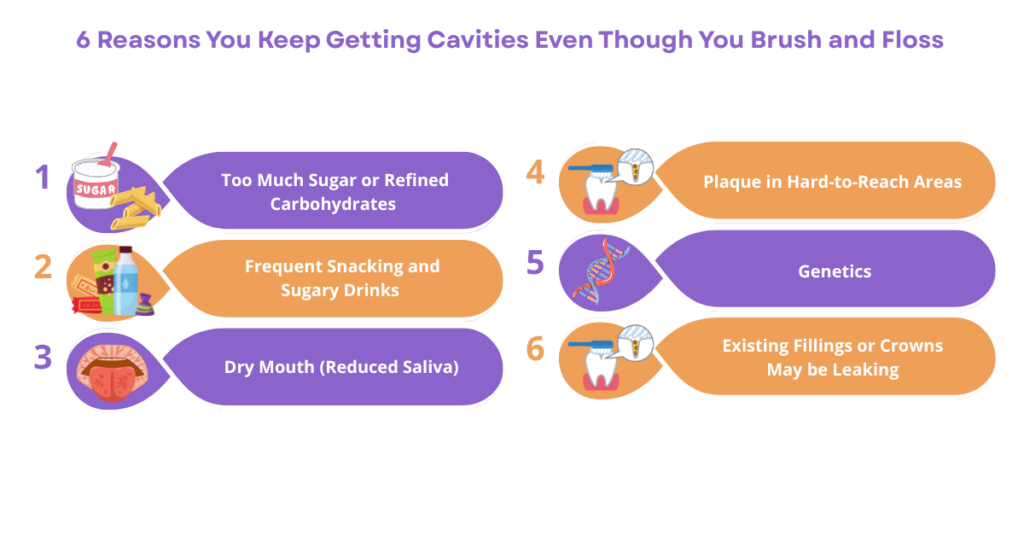
If you’re brushing and flossing consistently but still getting cavities, one or more of these factors may be responsible.
1. Too Much Sugar or Refined Carbohydrates
Brushing removes plaque, but it can’t stop every acid attack that happens throughout the day.
Each time you eat or drink something containing sugar or refined carbohydrates, bacteria in your mouth produce acids that can attack your teeth for up to 60 minutes. If this happens repeatedly, your enamel spends more time losing minerals than repairing itself.
Many people are surprised to learn that even foods considered “healthy,” such as fruits, can contribute to acid production in the mouth.
Foods that can contribute to tooth decay include:
- Sweets and chocolates
- Cakes and pastries
- Soft drinks
- Bubble tea and sweetened beverages
- Sports and energy drinks
- Fruit juices
- White bread
- Crackers
- Chips
- Dried fruits
2. Frequent Snacking and Sugary Drinks
It’s not only what you eat that matters, but how often you eat.
Frequent snacking or slowly sipping sweet drinks means your teeth rarely get a break from acid attacks. Even if the total amount of sugar isn’t especially high, frequent exposure throughout the day makes it harder for your enamel to recover naturally.
Instead of grazing continuously, try to:
- Eat balanced meals at regular times.
- Limit sugary snacks between meals.
- Drink plain water after eating.
- Avoid sipping sweet beverages slowly for long periods.
3. Dry Mouth
Saliva is one of your mouth’s natural defence systems. It helps rinse away food particles, neutralises acids produced by bacteria and supplies minerals that strengthen tooth enamel.
When your mouth feels dry, those protective effects are reduced. As a result, plaque builds up more easily and cavities can develop faster. the risk of cavities increases as well.
Medications, dehydration, mouth breathing or certain medical conditions may cause dry mouth. If you’re experiencing persistent dry mouth, it’s worth discussing with your dental specialist.
4. Plaque in Hard-to-Reach Areas
Although brushing and flossing are important, they may not always remove plaque effectively if:
- Your brushing technique is incorrect.
- You rush your brushing.
- You miss difficult areas, such as the back molars.
- Your teeth are crowded or overlapping.
- You have existing dental restorations that require extra care.
Your dentist can demonstrate proper brushing and flossing techniques and recommend tools such as interdental brushes or water flossers if appropriate.
5. Genetics
Some people appear to develop cavities more easily than others, even when their oral hygiene is similar.
Genetics may partly explain this. The strength of your enamel, the shape of your teeth, how much saliva you produce and even the types of bacteria that naturally live in your mouth can all vary from person to person.
Even so, these inherited factors usually have less influence than everyday habits. A balanced diet, good oral hygiene and regular dental care remain the most effective ways to reduce your risk.
6. Existing Fillings or Crowns May be Leaking
A tooth that has already been repaired isn’t immune to future decay.
Older fillings, crowns or dental restorations can develop tiny gaps over time. These spaces allow bacteria to collect beneath the restoration, leading to new decay that may not be visible until it becomes larger.
Regular dental examinations and X-rays can help detect these hidden cavities early before they cause pain or require more extensive treatment.
How Can You Prevent Cavities?
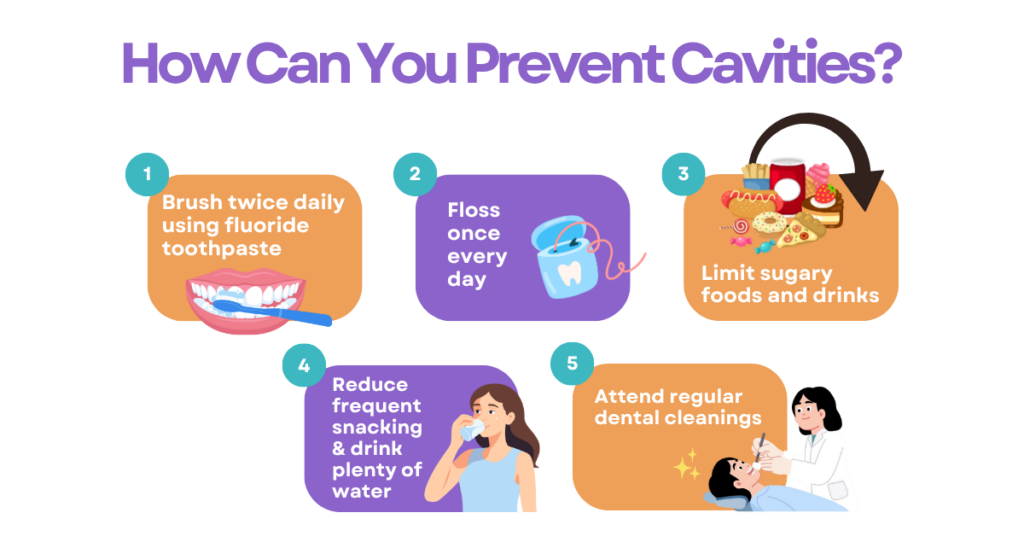
Preventing cavities usually requires looking beyond your toothbrush.
Daily brushing and flossing remain the foundation of good oral health, but they’re most effective when combined with healthy eating habits and regular professional care.
To help reduce your risk:
- Brush your teeth twice daily using fluoride toothpaste.
- Floss once a day to remove plaque between teeth
- Limit sugary foods and drinks between meals
- Drink plenty of water instead of sweetened beverages
- Avoid frequent snacking throughout the day
- Visit your dentist regularly for regular dental examinations and cleanings
When Should You See a Dentist?
Cavities are much easier to treat when they’re found early.
In many cases, tooth decay begins without causing any discomfort. Regular dental examinations allow your dentist to detect these early changes before they develop into larger cavities that require more extensive treatment.
Schedule a dental appointment if you notice:
- Tooth sensitivity
- Pain when eating sweets
- Food trapping between teeth
- Persistent bad breath
- Dark spots or visible holes in a tooth
- Repeated cavities despite good oral hygiene
Frequently Asked Questions
Yes. Some people seem to develop cavities more easily than others, even when they brush and floss regularly. Genetics can play a part by influencing factors such as enamel strength, saliva production and the shape of your teeth. Certain medical conditions or medications may also increase your risk. The good news is that healthy eating habits, good oral hygiene and regular dental check-ups can still make a significant difference.
The process that causes cavities is the same at any age. Bacteria feed on sugars, produce acids and gradually damage the tooth surface. What differs is the reason people become more vulnerable. Children are often at higher risk because they are still developing good brushing habits and may snack more often. Adults, on the other hand, are more likely to experience dry mouth, receding gums, or worn fillings, or to take medications that affect saliva flow.
Once tooth decay has created a hole in the tooth, it cannot repair itself. That cavity will usually require treatment. However, if the damage is limited to the very early stage, before a cavity has formed, fluoride and improved oral hygiene may help the enamel regain lost minerals. This is why routine dental examinations are important. They can detect these early changes before they become permanent.
It can happen. Brushing twice a day is one of the best ways to reduce your risk of tooth decay, but it isn’t the only factor involved. Frequent snacking, sugary drinks, dry mouth, crowded teeth or older dental work can all increase the likelihood of cavities, even if your brushing routine is consistent.tion
If decay keeps returning to the same tooth, there is usually an underlying reason. It may be an area that’s difficult to clean, a deep groove that traps plaque, or an older filling or crown that no longer completely seals the tooth. A dental examination and sometimes an x-ray can help identify the cause and determine the most appropriate treatment.
Stress doesn’t directly cause cavities, but it can affect the habits and conditions that increase your risk. For example, some people snack more often, neglect their oral hygiene or experience dry mouth during stressful periods. Certain medications used to manage stress or anxiety may also reduce saliva production, making it easier for cavities to develop.
Fluoride mouthwash can help strengthen tooth enamel and lower the risk of tooth decay, but it should be used alongside brushing, flossing and regular dental care rather than replacing them.
Concerned about cavities?
Contact Specialist Dental Group via the WhatsApp icon on the bottom right corner, enquire or call us at (65) 6734 9393 to arrange an appointment.
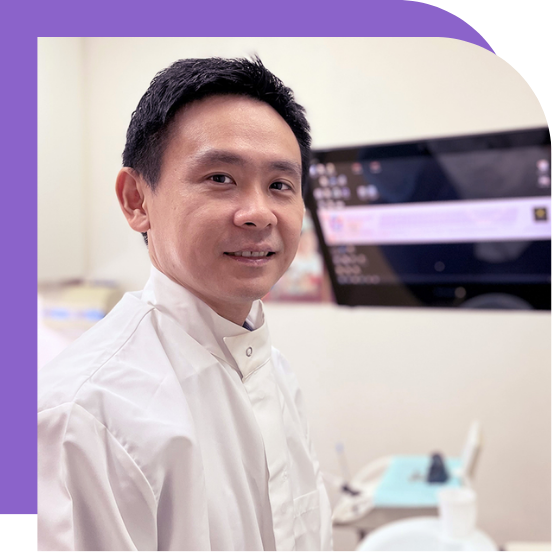
Reviewed by Dr Tan Kian Meng
Dr Tan Kian Meng is a Dental Specialist in Prosthodontics with Specialist Dental Group®. He is also a Clinical Lecturer at the National University of Singapore and Diplomate with the American Board of Prosthodontics. He was formerly a Consultant at Singapore’s Khoo Teck Puat Hospital and Fellow of Maxillofacial Prosthetics and Oncologic Dentistry Fellowship at the University of Texas MD Anderson Cancer Center. Dr Tan has special interest in prosthetic and implant restorative dentistry.
Disclaimer
This article has been medically reviewed by a specialist from Specialist Dental Group and is intended for general educational and informational purposes only. It should not be taken as a substitute for personalised dental advice, diagnosis, or treatment. Patients should consult a qualified dentist or dental specialist before making decisions about any procedure or treatment plan. Treatment recommendations should always be based on the patient’s individual clinical condition, and results may vary.