
Article reviewed by:
Dr Steven Soo • Prosthodontist

A dentist or dental specialist recommending a crown is usually responding to a specific issue. The tooth may have decay that has progressed beyond what a filling can reliably address, a fracture that needs to be repaired, or a root canal that has left the tooth brittle and prone to breaking.
If you are considering dental crowns in Singapore, it is natural to have questions. Many patients want to understand:
- Is a dental crown really necessary?
- What happens during the procedure?
- How long do dental crowns last?
- Will the crown look and feel natural?
- What type of dental crown is suitable for my tooth?
This guide explains when dental crowns are needed, the types available in Singapore, and what you can expect throughout the process so you can make an informed decision.
Quick Answer: What is a Dental Crown?
A dental crown is a custom-made cap that fits over a damaged or weakened tooth to restore its strength, shape and function. Dental crowns are commonly used after root canal treatment, for cracked teeth, large cavities, worn teeth, or to restore dental implants.
Covering it from the gum line upwards when the remaining structure is too compromised for a filling to hold reliably. Once cemented in place, it restores the tooth’s shape, size, and function while protecting the underlying tooth structure from further damage.
Crowns are fabricated from several materials, each with different properties in terms of durability and appearance. Which material suits a given case depends on where the tooth sits in the mouth, how visible it is when smiling, and the condition of the surrounding bite and gum tissue.
Table of Contents
- What is a Dental Crown?
- When is a Dental Crown Necessary?
- What Happens During a Dental Crown Procedure?
- Types of Dental Crowns Available in Singapore
- How Much is a Dental Crown in Singapore?
- What Affects Dental Crown Treatment Planning?
- Can You Use MediSave, CHAS or Insurance for Dental Crowns
- When Should You See a Prosthodontist?
- Speak to a Prosthodontist About Dental Crowns in Singapore
- Frequently Asked Questions
Key Takeaways
- Dental crowns are used when a tooth requires structural support beyond what a filling can provide.
- The type of crown selected depends on the tooth’s condition, location, and functional requirements.
- Treatment planning may involve additional procedures depending on the underlying condition of the tooth.
- A dental specialist with postgraduate training specifically in restoring and replacing teeth is worth consulting for cases involving significant tooth loss, complex bites, or treatment that requires coordination across multiple dental disciplines.
What is a Dental Crown?
A dental crown is a custom-made restoration that covers an existing tooth from the gum line upwards when the remaining tooth structure is too compromised for a filling to hold reliably.
Once cemented in place, the crown restores the tooth’s shape, size, appearance, and chewing function while helping protect the underlying tooth structure from further damage.
Dental crowns may be fabricated from different materials, including:
- Metal
- Porcelain-fused-to-metal (PFM)
- Ceramic or porcelain
- Zirconia
The most suitable material depends on factors such as:
- The tooth’s location
- Bite forces
- Aesthetic considerations
- Surrounding gum condition
- Functional requirements
When is a Dental Crown Necessary?
Dental crowns are used for both functional and cosmetic reasons. Common situations where a crown may be recommended include:
- After root canal treatment: Teeth that have undergone root canal treatment often become more brittle because the inner pulp has been removed. . A dental crown helps restore strength and reduce the risk of fracture.
- Large decay or cavity: When a tooth has lost too much structure for a filling to be adequate, a crown provides better long-term support and coverage.
- Cracked or fractured teeth: A crown holds the tooth together and reduce the risks of cracks extending further underbiting forces.
- Severely worn teeth: Teeth worn down from grinding (bruxism) or acid erosion may require crowns to restore their original height and function.
- Covering a dental implant: For dental implants, the visible replacement tooth attached above the implant is known as an implant crown.
- Supporting a dental bridge: When replacing a missing tooth with a dental bridge, crowns may be placed on adjacent teeth to support the bridge.
Not every damaged tooth requires a crown, though. Your dentist or specialist will assess the remaining tooth structure, bite relationship, presence ofg infection, and functional demands before deciding whether a crown is appropriateor whether a more conservative treatment may suffice..
What Happens During a Dental Crown Procedure?
Dental crown placement is usually completed over two appointments.
First Visit
During the first appointment:
- The tooth is reshaped to create space for the crown
- Decay or weakened areas are removed
- A core build-up may be placed if additional support is needed
- Digital scans or impressions are taken
- A temporary crown is fitted while the final crown is fabricated
If the tooth is infected or the nerve is affected, root canal treatment may first be required before crown placement.
Second Visit
During the second visit:
- The temporary crown is removed
- The final crown is checked for fit, colour, and bite
- Adjustments are made if necessary
- The crown is permanently cemented into place
Once fitted properly, the crown should feel comfortable and function similarly to a natural tooth.
Types of Dental Crowns Available in Singapore
The material used for a crown affects its appearance and how it performs under different functional demands. Four types are commonly available in Singapore.
| Crown Type | Appearance | Durability | Common Use |
| Metal | Low | Very High | Back molars |
| PFM | Moderate | High | General use |
| Ceramic | Excellent | Moderate | Front teeth |
| Zirconia | Good | Very High | Back teeth and implants |
1. Metal Crowns
Metal crowns are made from alloys that typically include gold, palladium, nickel, or chromium.
Advantages include:
- Excellent durability
- Minimal chipping risk
- Less removal of natural tooth structure
- Good performance under heavy chewing forces
Their metallic appearance makes them most practical for back molars that are not visible when smiling.
2. Porcelain-Fused-to-Metal (PFM) Crowns
PFM crowns combine:
- A metal inner structure for strength
- A porcelain outer layer for aesthetics
They can be colour-matched to surrounding teeth while still providing structural support.
One limitation is that:
- The porcelain layer may chip over time
- A dark metal margin may become visible if gums recede
3. All-Ceramic / All-Porcelain Crowns
All-ceramic or porcelain crowns closely resemble natural enamel in colour and translucency.
They are commonly used for:
- Front teeth
- Highly visible areas
- Patients with metal sensitivities
While aesthetically pleasing, they may be more prone to chipping under heavy biting forces compared to metal-based crowns.
4. Zirconia Crowns
Zirconia crowns are made from a durable ceramic material known for its fracture resistance.
Benefits include:
- High strength
- Good durability
- Suitable for back teeth
- Acceptable aesthetics
Two common types include:
- Monolithic zirconia (milled from a solid block)
- Layered zirconia (has a porcelain overlay for improved appearance but carries a higher risk of surface chipping)
The appropriate type depends on the tooth’s position and bite requirements.
How Much is a Dental Crown in Singapore?
The fee for a dental crown in Singapore varies depending on several factors, including:
- The crown material selected
- Whether additional treatment is required
- The complexity of the case
- Whether treatment is performed by a general dentist or prosthodontist
Additional procedures that may affect the overall treatment fee:
- Root canal treatment
- Core build-up
- Dental implant placement
- Gum treatment
Patients are encouraged to attend a consultation for a personalised assessment and treatment recommendation.
What Affects Dental Crown Treatment Planning?
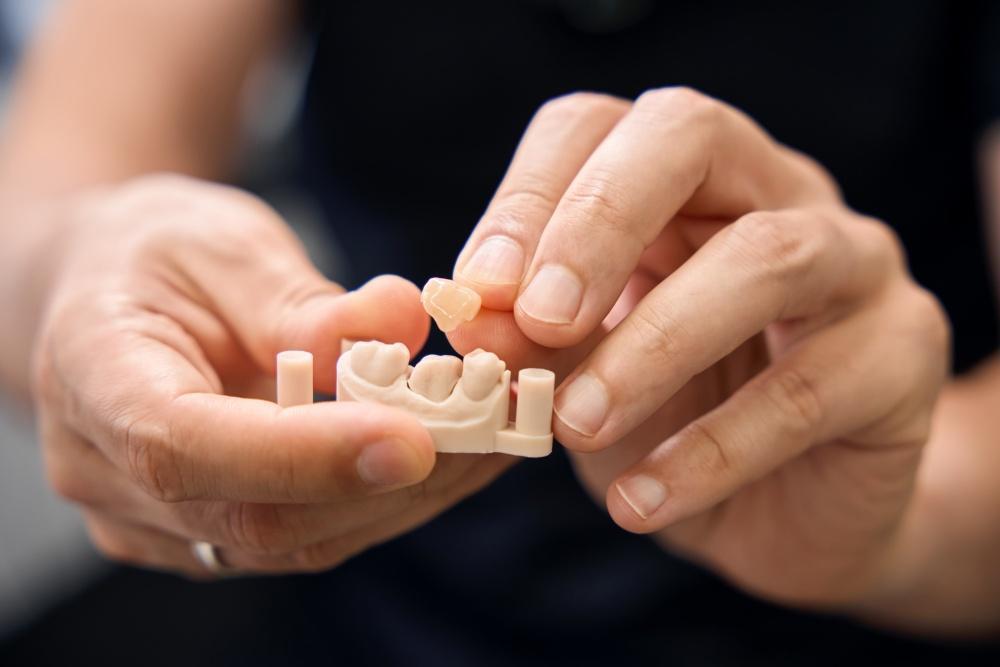
Several factors influence how a dental crown is planned and carried out. These relate to the condition of the tooth, the type of restoration selected, and any preparatory procedures required before placement.
1. Crown Material
The choice of material depends on where the tooth is located, how it is used during biting and chewing, and how visible it is when you speak or smile. Some materials are selected for their ability to withstand biting forces, while others are chosen for how closely they match natural tooth appearance.
The surrounding bite and contact with opposing teeth are also considered, as different materials interact differently under pressure. Your dental specialist will discuss which material is appropriate for your tooth before recommending a specific option.
2. Pre-Treatment Requirements
Some teeth require additional work before a crown can be placed. If there is extensive decay, a core build-up may be needed first to create a stable foundation for the crown. If the pulp is affected by infection or damage, root canal treatment will be completed before crowning. These steps are planned to ensure the crown is placed on a stable and suitable foundation.
3. Tooth Position and Function
The location of your tooth also plays a role in the planning process.
Back teeth are exposed to higher chewing forces, while front teeth are more visible during speech and expression. This influences both the choice of material and the crown’s shape. The way the tooth contacts neighbouring and opposing teeth is also reviewed to ensure it functions as intended during daily use.
4. Gum and Bone Condition
If there are existing gum concerns, these may need to be addressed before or alongside crown placement. The position of the gum line may also influence how the crown is designed, particularly in areas where the margin is visible.
5. Bite Relationship
How your teeth come together when you bite and chew must be carefully evaluated as well. This is because irregular bite patterns or uneven pressure distribution may affect how long a crown functions without issues.
Adjustments to the crown design may be made to ensure it fits within your bite without placing unnecessary stress on the tooth or surrounding structures.
6. Case Complexity
Not every crown case is straightforward. Cases involving multiple crowns, existing gum disease, a complicated bite, or underlying medical conditions may require detailed assessment and treatment planning.
At Specialist Dental Group, complex crown and restorative cases are managed by prosthodontists: dental specialists who have completed additional years of postgraduate specialist training in restoring and replacing teeth. For patients managing medical conditions that may affect how dental treatment is planned, the team works alongside their medical specialists where relevant.
Can You Use MediSave, CHAS or Insurance for Dental Crowns
Coverage for dental crowns depends on:
- the type of clinic
- eligibility criteria
- the terms of your insurance policy
Dental crowns are generally classified as non-surgical procedures, hence it is not covered by Medisave.
There are CHAS subsidies for up to four permanent crowns per calendar year. You are advised to check with the clinic if it applies for your treatment.
When Should You See a Prosthodontist?
A referral to a prosthodontist may be appropriate for:
- Complex bite problems
- Multiple crowns
- Crowns over dental implants
- Severe tooth wear
- Full-mouth rehabilitation
- Cases involving multiple dental disciplines
- Medically compromised patients requiring coordinated care
A prosthodontist is a dental specialist with advanced postgraduate training in restoring and replacing teeth.
Speak to a Prosthodontist About Dental Crowns in Singapore
If you have a cracked tooth, large filling, worn tooth, or recently completed root canal treatment, a dental crown may help restore long-term function and protect the remaining tooth structure.
At Specialist Dental Group, our prosthodontists provide assessment and treatment planning for routine and complex crown cases.
Frequently Asked Questions
With proper care and regular dental check-ups, a dental crown can last for years. Longevity depends on:
– crown material
– oral hygiene
– bite forces
– teeth grinding habits
– condition of the underlying tooth
Dental crown procedures are usually performed under local anaesthesia to minimise discomfort. Mild sensitivity may occur after treatment, but generally settles within a few days.
A crown may loosen or detach if:
– the underlying tooth develops decay
– excessive biting forces are present
– the cement seal fails
A loose crown should be assessed promptly by your dental specialist.
Metal and zirconia crowns are generally among the most durable crown materials due to their strength and fracture resistance.
Once adjusted properly, a dental crown should allow normal chewing and function. You are advised to avoid very hard foods immediately after placement.
Modern ceramic and zirconia crowns can closely resemble natural teeth in colour and translucency, particularly for front teeth.
A prosthodontist may be appropriate for cases involving:
– multiple crowns
– dental implants
– complex bite issues
– severe tooth wear
– full-mouth rehabilitation
– medically complex treatment planning
Considering dental crowns? Consult our dental specialists for personalised advice.
Drop us a text via the WhatsApp icon on the bottom right corner, enquire or call us at (65) 6733 7883.

Reviewed by Dr Steven Soo
Dr Steven Soo is a Dental Specialist in Prosthodontics with Specialist Dental Group®. He was formerly a Clinical Lecturer at the Eastman Dental Institute and Clinical Teacher at the GKT Dental Institute, both of which are affiliated with the University of London. Dr Soo has a special interest in prosthetic and implant restorative dentistry. He also enjoys seeing children.
Disclaimer
This article has been medically reviewed by a specialist from Specialist Dental Group and is intended for general educational and informational purposes only. It should not be taken as a substitute for personalised dental advice, diagnosis, or treatment. Patients should consult a qualified dentist or dental specialist before making decisions about any procedure or treatment plan. Treatment recommendations should always be based on the patient’s individual clinical condition, and results may vary.