Composite bonding
Book a 30 minute session for a boost of added sparkle to your teeth.
Or call: +65 6734 9393

The power of an infectious smile
According to a report published by The National Bureau of Research in the USA, women who grew up in areas where there was water fluoridation earned 4% more than those who did not live in such communities. The conclusion of the study was that these women were more likely to be affected by employer and consumer discrimination on the basis of their oral health.
Fluoride, which helps in the prevention of dental caries, has been added to Singapore’s water supply since 1957.
Composites are tooth-coloured materials which can be used to fix the shape and/ or colour of your teeth, for an extra boost to achieve that great smile.
What is composite bonding?
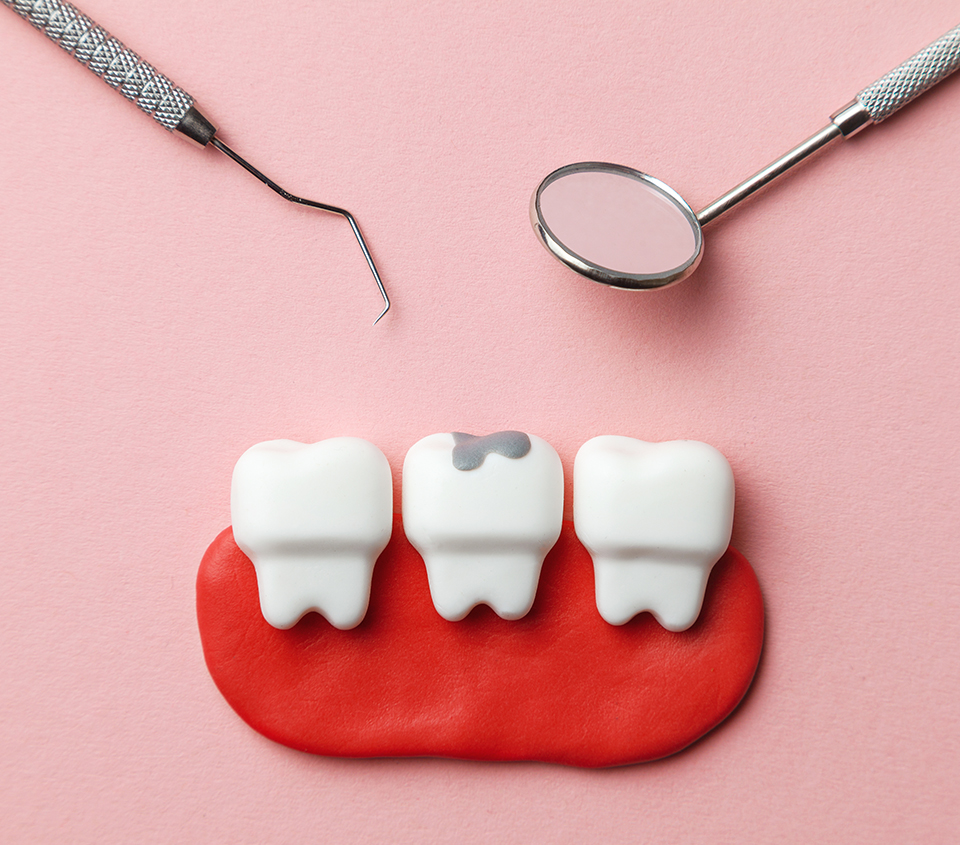
Composite bonding involves the application of a tooth-coloured polymeric resin to the tooth and moulding it into shape.
It can restore chipped, cracked or stained teeth, as well as fill gaps between teeth.
It can also be used to fill cavities or replace old metal fillings.
Composite bonding is also suitable for people who have teeth with dark stains that do not respond to bleaching.
What is involved in composite bonding?
Initial Consultation
Our dental specialist/ dentist will find out the details of your medical and dental history, go through a consultation and examination and take a digital X-ray of your teeth to enable a thorough and detailed diagnosis.
Old or broken fillings are removed and replaced with composites.
Chipped, cracked or discoloured teeth will first be prepared by lightly roughening the area to be repaired. Then, the teeth will be cleaned. Next, composites are applied to the teeth, and moulded to shape. Several layers may need to be applied to duplicate the depth of colour of the natural teeth. Finally, after the composites are cured with a special high intensity light, our dental specialist/ dentist will further shape and polish them until they match your other natural teeth.
The entire process will take approximately 10 to 25 minutes per tooth.
You should treat your composite bonded teeth like your own teeth. They require the same maintenance as your natural teeth – flossing, brushing and regular dental check-ups and maintenance every 6 months. Avoid clenching your teeth unnecessarily or biting into hard foods or ice as these may cause wear or chipping
Composite bonding fees
Wondering if composite bonding treatment is Medisave Claimable?
Medisave does not apply to composite bonding treatment.
Meet our specialists & dentists
Our fully trained team is dedicated to keeping timely and painless care of your teeth.